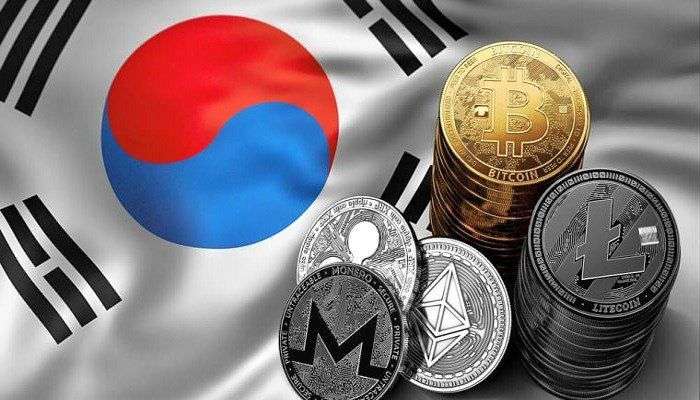
South Korea’s financial heavyweight Mirae Asset Group is in advanced negotiations to acquire Korbit, the country’s fourth-largest cryptocurrency exchange, in a deal valued between $70 million and $100 million (approximately 100–140 billion Korean won).
If completed, the transaction would mark one of the most significant moves by a traditional Korean financial institution into the regulated digital asset exchange space.
How the Deal Is Structured
The acquisition is being led by Mirae Asset Consulting, a non-financial affiliate of Mirae Asset Group. This structure is widely viewed as a deliberate approach to remain compliant with South Korea’s strict separation between financial institutions and virtual asset businesses.
According to people familiar with the matter, a memorandum of understanding (MOU) has already been signed with Korbit’s major shareholders. The MOU signals intent to proceed, paving the way for formal due diligence and regulatory reviews.
Korbit’s Ownership and Market Position
Korbit’s largest shareholder is NXC, the holding company of gaming giant Nexon, together with its subsidiary, controlling roughly 60.5% of the exchange. Another 31.5% stake is held by SK Square.
Despite its early entry into the crypto market, Korbit currently accounts for less than 1% of South Korea’s total domestic trading volume across six licensed exchanges. While this limits its competitive footprint, it also makes the exchange a relatively clean acquisition target without the operational complexity of a dominant market leader.
Bitcoin Hits Extreme Lows Against Gold as Reversal Signals Build
Why Korbit Attracts Institutional Interest
The primary appeal lies not in market share, but in regulatory readiness. Korbit holds a full operating license and has already built compliance systems aligned with South Korea’s rigorous crypto framework, including real-name accounts and anti-money-laundering controls.
For Mirae Asset Group, this offers a regulated gateway into digital assets without the risks associated with launching a new platform from scratch. The acquisition would give the group immediate exposure to crypto infrastructure while maintaining alignment with domestic regulatory expectations.
What Happens Next
While the MOU represents a significant step forward, the deal is not yet finalized. Key terms may still change as due diligence continues, and the transaction remains subject to regulatory approval.
If completed, the acquisition would underscore a broader trend in South Korea: traditional financial giants are increasingly opting to buy regulated crypto infrastructure rather than build it themselves, signaling growing institutional confidence in the country’s digital asset framework.