Unpacking the Crypto Fear & Greed Index: How Does It Work?
This comprehensive index isn’t just a random number. It’s meticulously calculated based on six key factors, each contributing to its final score:
- Volatility (25%): Measures the current market’s price fluctuations compared to average values. High volatility often signals fear.
- Trading Volume (25%): Analyzes current trading volumes and market momentum. Strong, sustained buying volume can indicate greed.
- Social Media Mentions (15%): Scans various platforms for keyword mentions and sentiment analysis, reflecting public perception.
- Surveys (15%): While currently paused, these polls historically gauged investor sentiment directly.
- Bitcoin’s Market Cap Dominance (10%): An increasing dominance often suggests fear, as investors might be moving into the perceived safety of Bitcoin.
- Google Search Volume (10%): Tracks search queries related to cryptocurrencies, with sudden spikes often indicating panic (fear) or curiosity (greed).
Why Does a Neutral Crypto Fear & Greed Index Reading Matter?
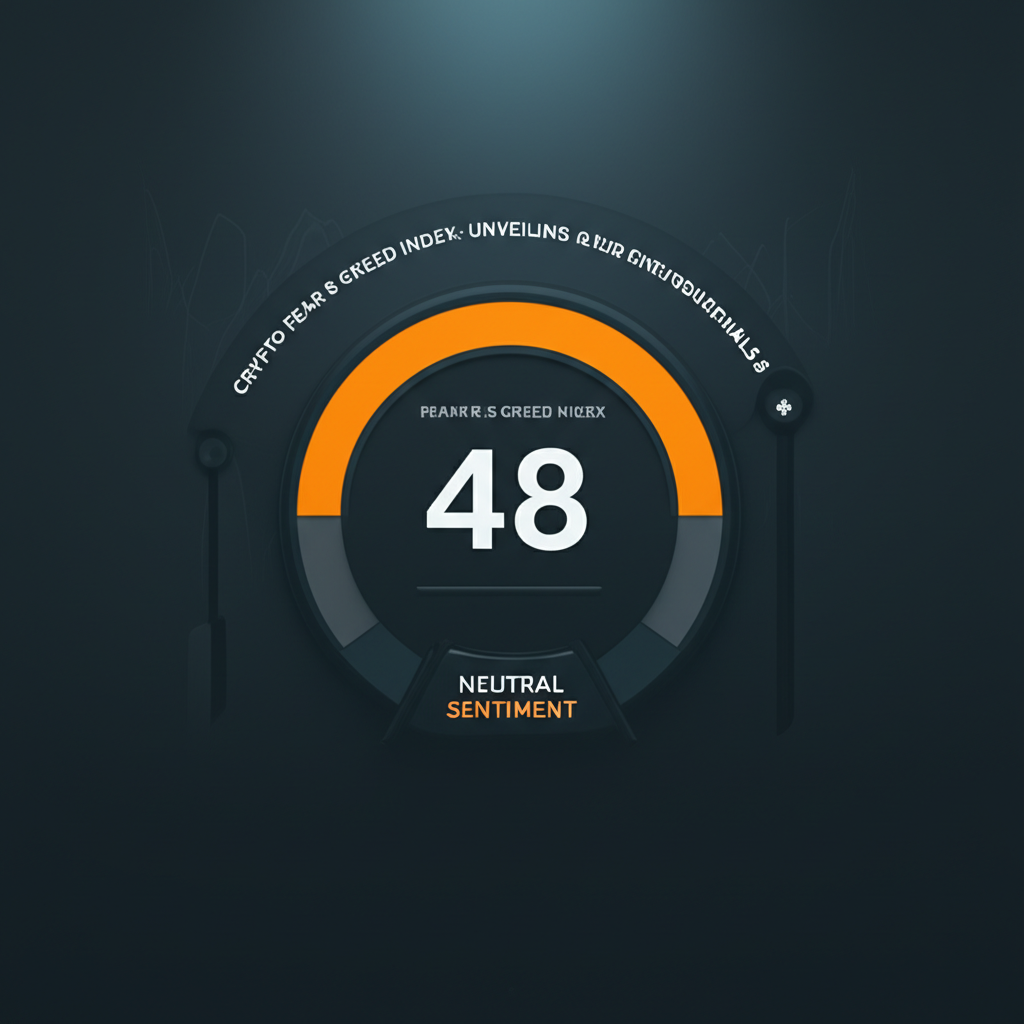
A neutral reading, like the current 48, indicates a period of market indecision. Unlike the extremes of “Extreme Fear,” which often presents buying opportunities, or “Extreme Greed,” which might signal an impending correction, neutrality suggests a wait-and-see approach among investors.
During neutral phases:
- There’s less panic selling or impulsive buying.
- The market lacks a strong directional bias.
- It can precede significant moves, as sentiment builds towards one extreme or the other.
This balance provides a window for careful analysis rather than reactive trading. It’s a moment for investors to reassess their strategies without the pressure of overwhelming market emotions.
Navigating the Market: Actionable Insights from the Crypto Fear & Greed Index
Consider these actionable insights:
- Avoid Emotional Decisions: A neutral index helps to keep emotions in check. Instead of chasing pumps or panic selling, focus on your long-term investment plan.
- Conduct Deeper Research: With no clear market direction, this is an excellent time to research projects, understand fundamentals, and identify potential opportunities without the noise of extreme sentiment.
- Prepare for Shifts: Neutrality rarely lasts forever. Use this period to prepare for potential shifts towards fear or greed. Having a plan for both scenarios can prevent impulsive reactions.
- Diversify Your Portfolio: A balanced market sentiment reinforces the importance of a diversified portfolio, reducing exposure to single asset volatility.
Challenges and Limitations: What the Index Doesn’t Tell You
- Lagging Indicator: The index reflects past and current sentiment, not future price movements. It doesn’t predict what will happen tomorrow.
- Macroeconomic Factors: Global economic news, regulatory changes, or technological breakthroughs can significantly impact crypto prices, and these aren’t directly captured by the index.
- Bitcoin-Centric Bias: While it uses overall market data, Bitcoin’s dominance heavily influences its calculation. Altcoin-specific sentiments might differ.
Conclusion: Mastering Market Emotions with the Crypto Fear & Greed Index
By understanding how the index works, interpreting its signals, and recognizing its limitations, investors can navigate the exciting yet unpredictable world of cryptocurrencies with greater confidence and strategic foresight. Use this period of neutrality to refine your approach and prepare for whatever the market brings next.
Frequently Asked Questions About the Crypto Fear & Greed Index
A1: A neutral reading, like the current 48, suggests that neither extreme fear nor extreme greed is dominating the cryptocurrency market. It indicates a period of balanced sentiment, indecision, or a “wait-and-see” approach among investors.
A2: The index is calculated based on a weighted average of several factors: volatility (25%), trading volume (25%), social media mentions (15%), surveys (15%), Bitcoin’s market cap dominance (10%), and Google search volume (10%).
A3: No, the Crypto Fear & Greed Index is primarily a sentiment indicator, not a direct trading signal. While extreme readings can hint at potential opportunities (e.g., “Extreme Fear” for buying), it should always be combined with other forms of analysis, such as fundamental and technical research, for informed decision-making.
A4: Its limitations include being a lagging indicator (reflecting past/current sentiment, not predicting the future), not directly accounting for broader macroeconomic factors or regulatory changes, and having a slight bias towards Bitcoin’s influence on overall market sentiment.
A5: A neutral period is ideal for thoughtful analysis rather than impulsive action. Investors can use this time to conduct deeper research into projects, reassess their portfolio strategy, prepare for potential market shifts, and avoid making emotional decisions based on short-term fluctuations.